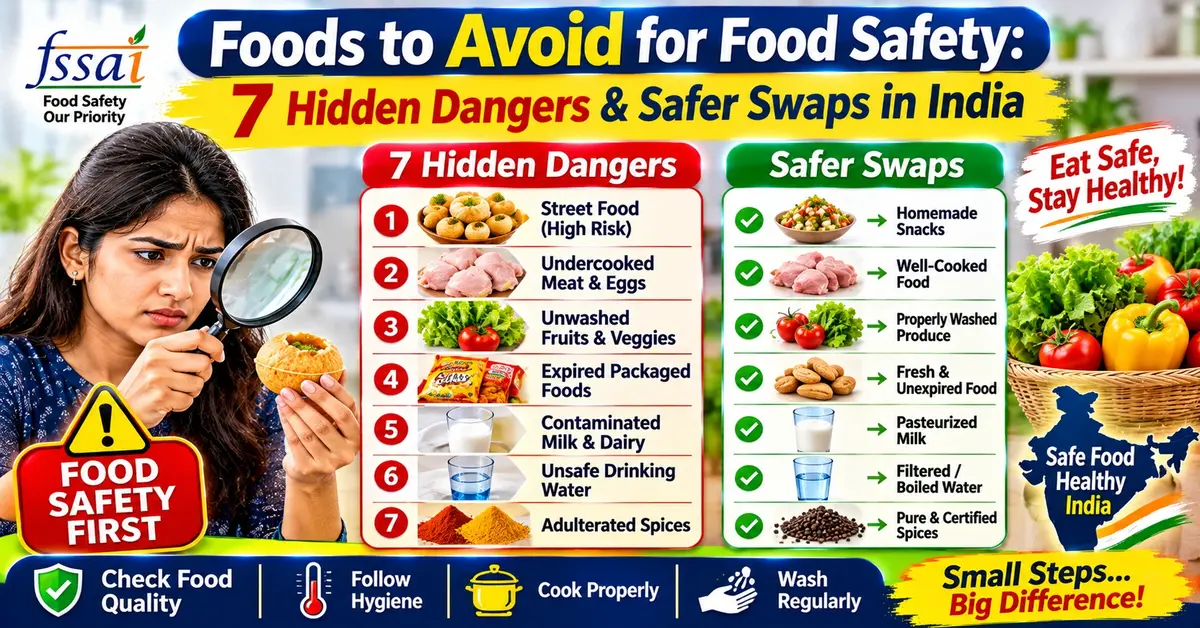
To prevent food poisoning, food safety experts advise avoiding raw or unpasteurised milk (milk not heat-treated to kill germs), raw or undercooked eggs, and undercooked meat, poultry, and seafood. You should also avoid unwashed or pre-cut raw fruits and vegetables, unhygienic street food with open ice, and cooked food left at room temperature for over 2 hours (or 1 hour when the temperature is above 32°C).
Key Takeaways
- High-risk foods carry hidden germs: Raw animal products and unwashed produce are most likely to carry Salmonella, E. coli, Campylobacter, and Listeria (WHO).
- Indian heat speeds up spoilage: Cooked food enters the bacteria “danger zone” (5°C–60°C) quickly. Put leftovers in the fridge within 2 hours, or within 1 hour if room temperature goes above 32°C (FSSAI).
- Boil or buy pasteurised dairy: Always boil loose milk from local vendors well before drinking it to kill harmful bacteria (CDC).
- Cook eggs until firm: Runny yolks and sauces made with raw eggs raise the risk of Salmonella infection (FDA).
- Check hygiene and adulteration: Look for a displayed FSSAI registration at food stalls, and use simple FSSAI DART water tests at home to spot artificial dyes or impurities.
Introduction
Most stomach upsets, diarrhoea, and foodborne illnesses do not come from rare ingredients. They come from everyday foods that are handled or stored the wrong way. In India, warm weather, high monsoon humidity, and busy kitchens help bacteria grow very fast.
From packing a school tiffin and buying fresh paneer to eating an evening plate of chaat, knowing which foods to avoid for food safety helps protect your family. This matters most for young children, pregnant women, older adults, and anyone with low immunity. Here is a practical, science-backed guide made for Indian kitchens and eating habits.
Foods That Cause Food Poisoning: 7 Risky Choices and Safer Swaps
Health agencies like the World Health Organization (WHO), the Food Safety and Standards Authority of India (FSSAI), and the CDC warn against certain foods. These foods have a higher chance of carrying harmful germs.
| Risky Food to Avoid | Main Health Hazard | Safer Alternative in India |
|---|---|---|
| Raw or unpasteurised milk (and dairy made from it) | Salmonella, E. coli, Listeria, Campylobacter | Packaged pasteurised milk, UHT milk (ultra-high temperature milk in cartons), or loose milk brought to a full rolling boil |
| Raw or undercooked eggs (runny yolks, raw-egg mayo) | Salmonella bacteria inside or on the shell | Eggs cooked until both the white and yolk are fully firm |
| Raw or undercooked meat, poultry, and seafood | Salmonella, Campylobacter, E. coli, parasites | Thoroughly cooked meat, chicken, and fish (no pink centre; steaming hot) |
| Pre-cut roadside fruits and unwashed salads | Surface bacteria from dirty water, dust, or unwashed knives | Whole fruits washed under running tap water and peeled at home |
| Unhygienic street food, open chutneys, and commercial ice | Contaminated water, E. coli, poor handler hygiene | Hot, freshly cooked snacks from clean, FSSAI-registered stalls; skip open ice |
| Cooked rice, dal, or curries left out >2 hours | Fast bacterial growth in the 5°C–60°C danger zone | Put in the fridge within 2 hours (1 hour in summer >32°C) and reheat until steaming |
| Loose, unlabelled spices or brightly dyed sweets | Artificial colourants (such as non-permitted dyes) or fillers | FSSAI-licensed sealed packs; test with simple home checks if unsure |
1. Raw or Unpasteurised Milk
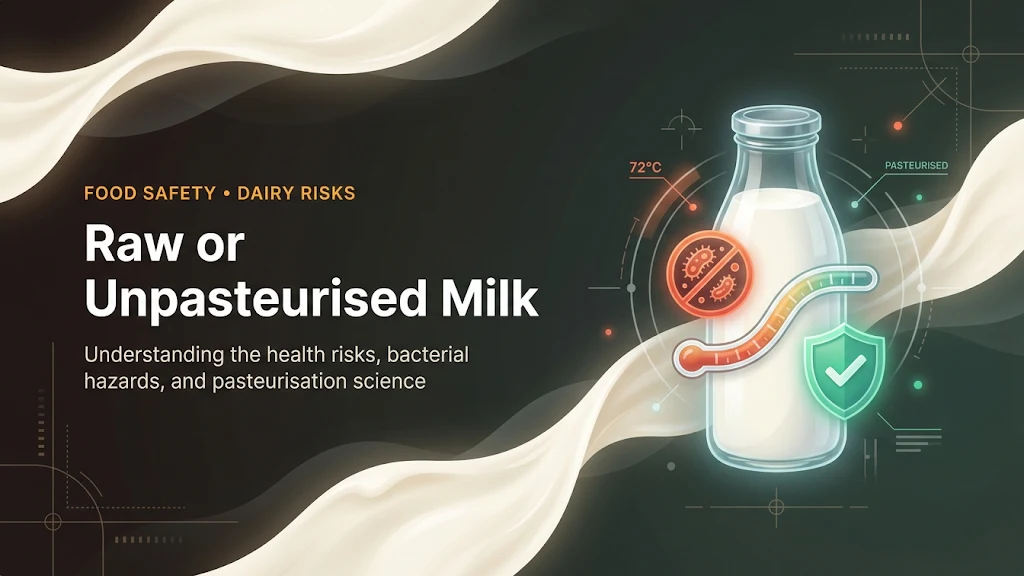
Is raw milk safe to drink? No. Raw milk that has not been pasteurised or boiled can carry dangerous germs like Salmonella, E. coli, Listeria, and Campylobacter (FDA).
In India, many homes buy loose milk straight from a doodhwala or local dairy. Unlike factory-pasteurised packets, loose milk is never safe to drink straight from the vessel. Always bring raw milk to a proper boil before drinking it or using it to set dahi (curd).
2. Raw or Undercooked Eggs
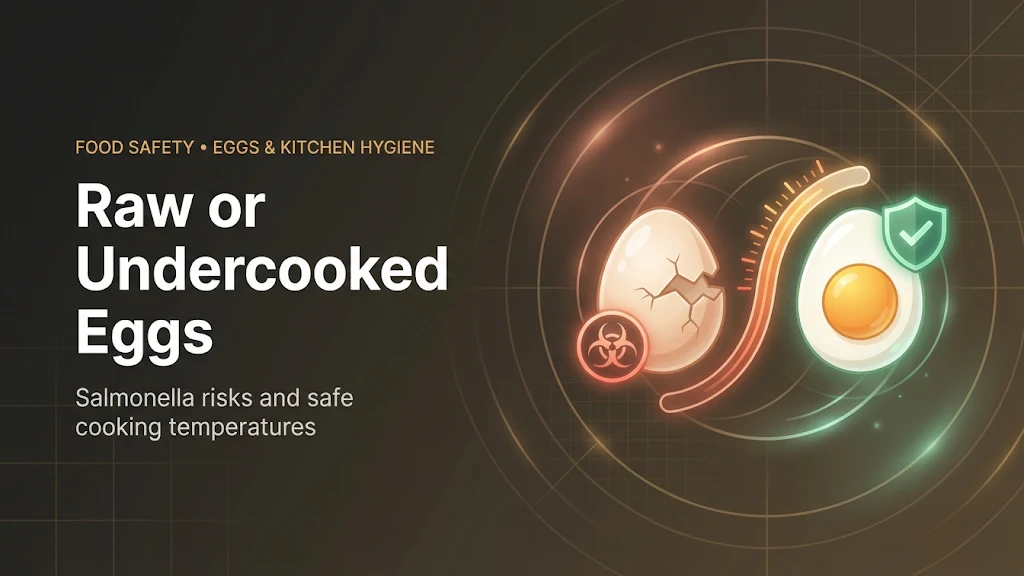
Why should you avoid undercooked eggs? Even fresh eggs with clean, unbroken shells can hold Salmonella bacteria (FDA).
Dishes with runny yolks—like half-fry eggs, soft-boiled eggs, homemade mayonnaise, and raw-egg cake batters—keep these bacteria alive. FSSAI consumer guidelines advise cooking eggs until both the white and the yolk are firm.
3. Raw or Undercooked Meat, Poultry, and Seafood
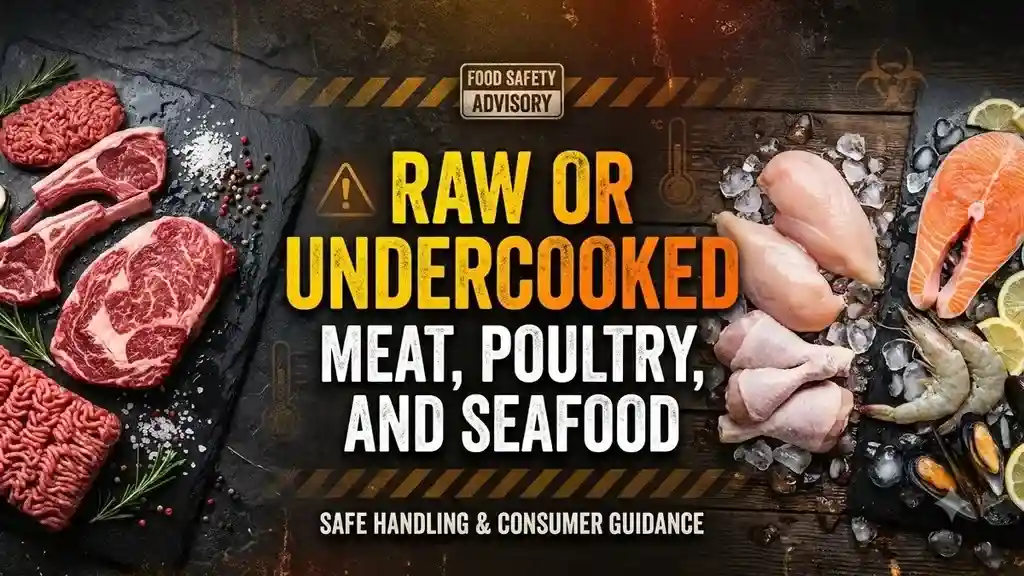
Raw chicken, mutton, and fish often carry bacteria and parasites on their surfaces and in their juices (FoodSafety.gov). Eating undercooked kebabs, partly cooked minced meat (keema), or raw shellfish puts you at direct risk of food poisoning.
Always cook meat and seafood all the way through. Never put cooked meat back on the same plate or chopping board that held raw meat (FSSAI).
4. Unwashed Produce and Pre-Cut Roadside Fruits
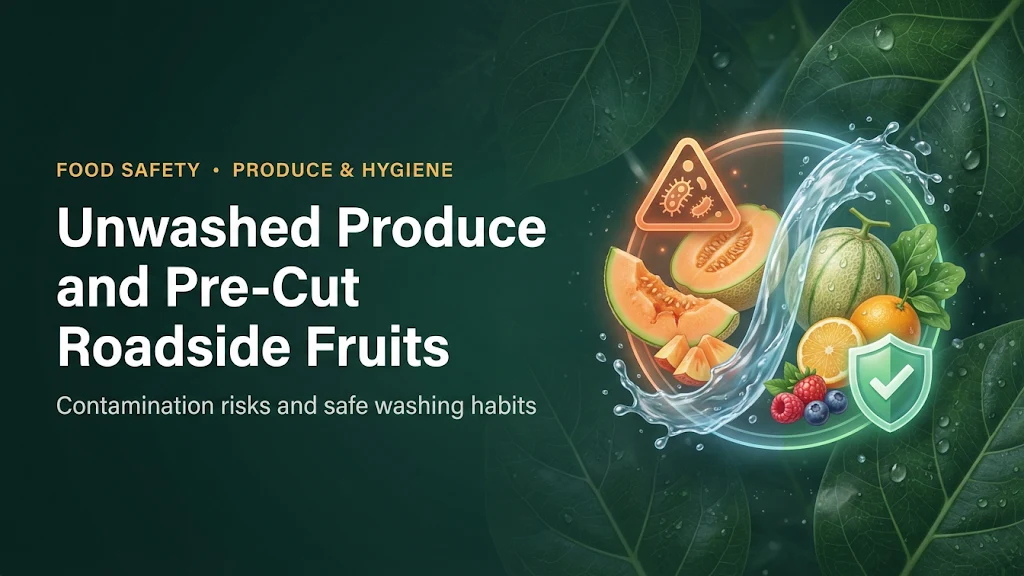
Raw fruits and vegetables can pick up enterotoxigenic E. coli (ETEC)—a type of bacteria that causes diarrhoea—and other germs from soil, farm water, or dirty hands (WHO).
Pre-cut watermelon, papaya, or cucumber sold on open carts in dusty Indian markets is very risky. The cut fruit sits in warm air without cooling and may be washed with unsafe water. Buy whole, undamaged fruits and vegetables, and wash them well under running tap water before cutting (FSSAI).
5. Street Food Made With Poor Water or Hygiene
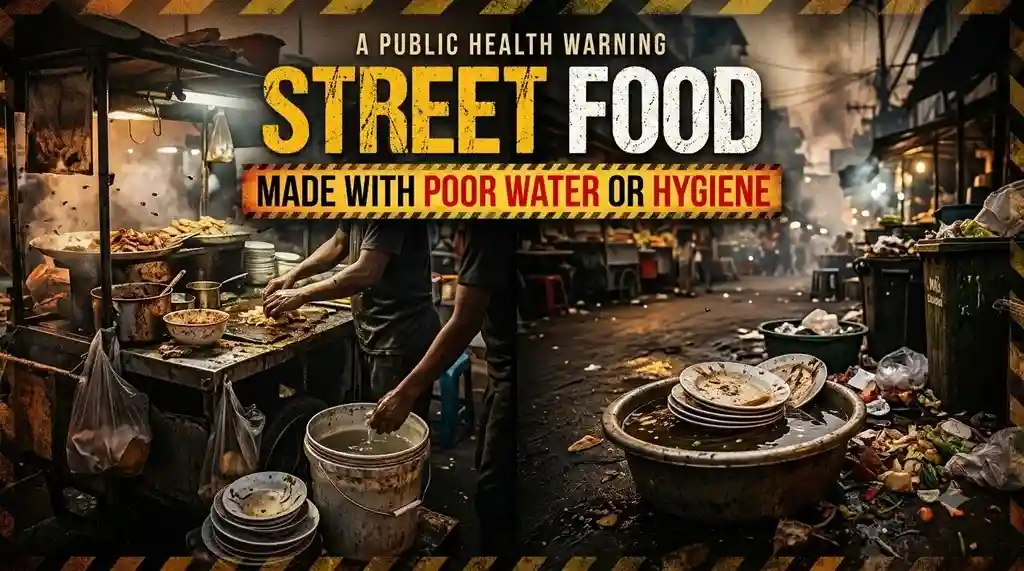
Is street food safe to eat? Street food is not always unsafe, but some items carry a much higher risk. Cold or raw items—like pani puri water, tamarind or mint chutneys, and crushed-ice golas made with unfiltered water—are common triggers.
Hot, freshly fried or steamed snacks (like idli, dosa, or samosa served piping hot) are usually safer than pre-cooked chaat left uncovered in the open.
6. Cooked Food Left Outside Too Long
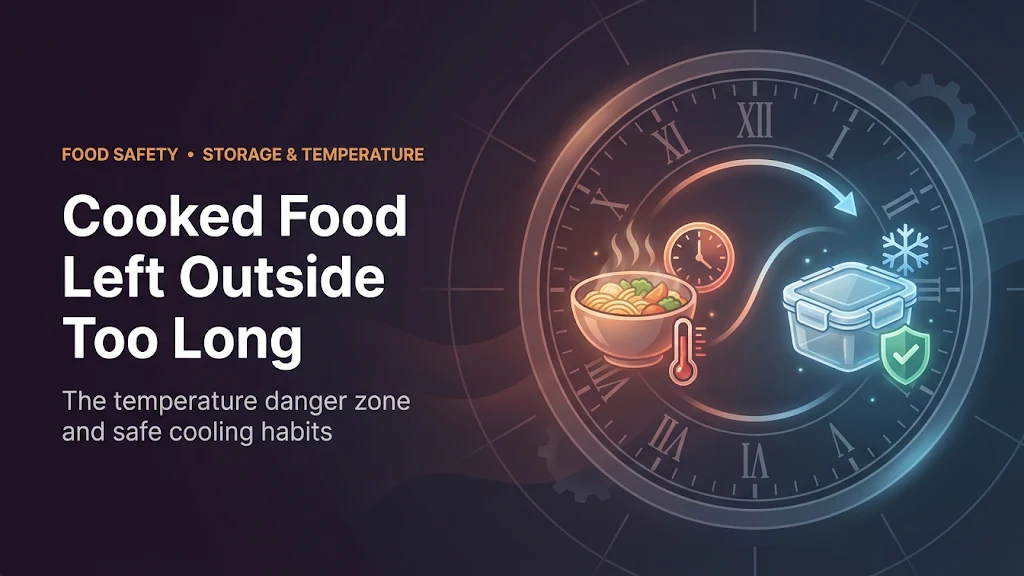
Many people think cooked food stays safe for the rest of the day. In reality, cooked rice, dal, rajma, milk-based sweets, and curries left on the kitchen counter let surviving bacterial spores multiply fast.
7. Unsealed, Expired, or Adulterated Staples
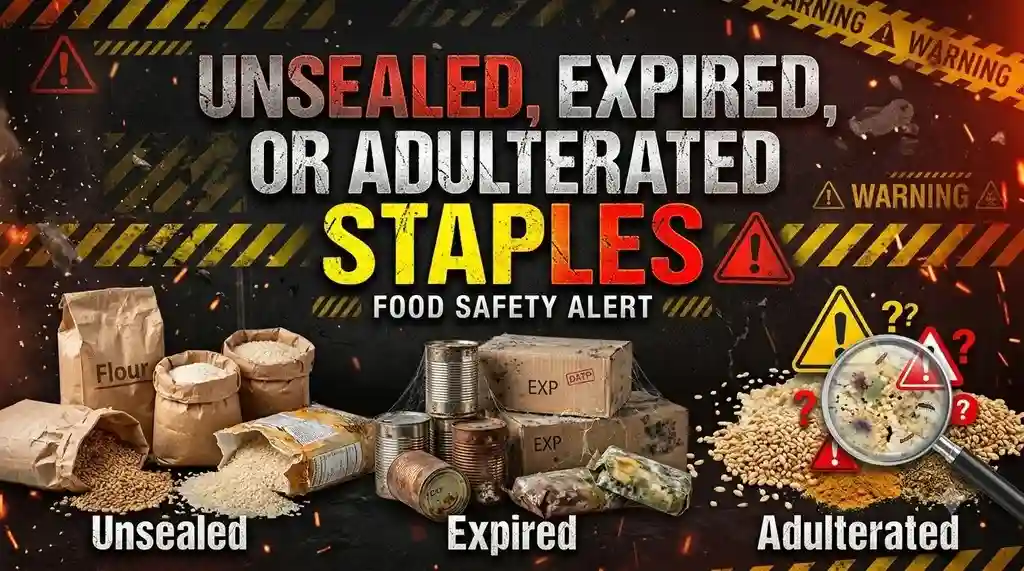
Open, unlabelled spices, mawa (khoya) during festive seasons, and loose cooking oils are often adulterated (mixed with cheaper or unsafe items) in India (FSSAI DART). Avoid loose powders or sweets from unknown sellers when sealed, FSSAI-certified packs are available.
What Foods Are More Likely to Contain Bacteria?
Bacteria grow fastest in foods that are moist, rich in protein, and low in acid, especially when kept warm. According to WHO and CDC guidance, the foods most likely to hold harmful bacteria are:
- Animal-origin foods: Raw poultry, red meat, fish, shellfish, unpasteurised milk, and raw eggs.
- High-moisture dairy and sweets: Paneer, khoya, cream-filled pastries, and milk-based desserts left outside the fridge.
- Cooked starchy and protein dishes: Boiled rice, khichdi, dal, and gravies kept lukewarm.
- Raw sprouts and leafy greens: The warm, damp conditions needed to grow sprouts also help bacteria grow.
How Long Can Cooked Food Stay Outside? (Storage Rules for India)
Food safety agencies call 5°C to 60°C (40°F to 140°F) the Temperature Danger Zone. In this range, bacteria double very quickly (USDA FSIS; FSSAI Catering Guidelines).
| Kitchen Condition | Maximum Safe Time Outside the Fridge | Recommended Action |
|---|---|---|
| Normal room temperature (below ~32°C / 90°F) | Up to 2 hours | Pack in shallow containers and refrigerate at ≤4°C–5°C |
| Hot Indian summer / warm kitchen (above ~32°C / 90°F) | Up to 1 hour | Cool quickly and refrigerate within 60 minutes |
| Left out overnight (6–8+ hours) | Unsafe — throw away | Do not taste or “re-boil” to save it; discard it |
How to Store Cooked Food Safely
- Keep your fridge cold enough: Set your fridge at or below 4°C (40°F) and your freezer at -18°C (0°F) (FSSAI).
- Use shallow, airtight containers: Split a large pot of hot dal or biryani into smaller, shallow boxes. This helps the food cool down fast instead of staying lukewarm in the centre (FSSAI).
- Do not over-stuff the fridge: Leave space so cold air can move evenly around containers (FSSAI).
- Reheat thoroughly once: Bring leftover soups, dals, and gravies to a full boil before eating. Do not reheat the same batch again and again (FSSAI).
How to Prevent Food Poisoning at Home
Follow FSSAI’s 4 Steps to Safe Food to cut down most food risks at home:
- Clean: Wash your hands with soap and water for at least 20 seconds before and after touching food. Scrub chopping boards, knives, and counters with hot soapy water after each use. Rinse all fruits and vegetables under running tap water.
- Separate: Keep raw meat, poultry, fish, and eggs away from cooked food and fresh salad items. Do this in both your shopping bag and on separate fridge shelves. Keep separate chopping boards for vegetables and raw meat to prevent food contamination.
- Cook Thoroughly: Cook meat, poultry, seafood, and egg dishes until they reach safe inside temperatures with no raw or pink centres. Always boil raw milk properly.
- Chill Promptly: Never thaw frozen meat or paneer on the kitchen counter. Thaw it inside the refrigerator, in cold water, or in the microwave—and be sure to cook it immediately (FSSAI).
How to Identify Unsafe or Adulterated Food
To spot unsafe food, check for both spoilage and adulteration:
Signs of Microbial Spoilage (Do Not Taste-Test)
Certain changes in food may indicate spoilage. Discard food if you notice warning signs such as:
- Unusual or Sour Smell A sour or unusual smell coming from dal, milk, or other cooked foods.
- Slimy Texture An unusual slimy or sticky surface on cooked rice, paneer, or other food items.
- Unexpected Bubbling or Fizzing Unusual bubbling, fizzing, or gas formation in gravies and cooked foods.
- Visible Mould Fuzzy or discoloured patches appearing on food.
- Swollen Packaging Bulging cans, swollen pouches, leaking containers, or damaged food packaging.
Quick FSSAI DART Home Adulteration Checks
FSSAI’s Detect Adulteration with Rapid Test (DART) manual describes simple household screening checks that can help identify possible food adulteration.
- Chilli Powder or Food Grains Some DART checks use water to help identify possible artificial colouring or unusual coloured particles. Follow the specific procedure for the food item in the official manual.
- Black Pepper Place a few peppercorns in water. Genuine peppercorns generally sink, while papaya seeds may float. This is only a preliminary indication, not a definitive test.
- Milk A DART screening check involves shaking a small quantity of milk with water. Persistent, unusual soapy lather may indicate possible detergent contamination, but foam alone cannot confirm adulteration.
- Asafoetida (Hing) The DART manual describes a traditional flame-based check for pure hing. However, do not attempt this test at home because it involves an open flame. Use appropriate professional testing instead.
Food Safety Rules in India: What Consumers Should Know
Under India’s food safety rules run by FSSAI, every food business—from big restaurants to street vendors—must follow basic hygiene rules and display their FSSAI Licence or Registration Number at the stall or shop (Eat Right India).
When eating out, look for these Eat Right India Clean Street Food Hub standards:
- Vendor hygiene: Food handlers should wear clean clothes, head covers, and aprons. They should keep nails trimmed and avoid touching food when sick or with open cuts.
- No reuse of disposables: Single-use plates, cups, and spoons must never be washed and used again.
- Covered food and safe water: Cooked food and chutneys must be covered against flies and dust. Vendors must use clean drinking water for cooking and serving.
- Food label checks: As advised in the ICMR-NIN Dietary Guidelines for Indians (2024), always check packaged food labels for manufacturing and expiry dates, storage rules, and FSSAI licence numbers.
If you see poor hygiene or suspect adulteration, report it on FSSAI’s Food Safety Connect portal or call the helpline at 1800-11-2100 (FSSAI Food Safety Connect).
Frequently Asked Questions (FAQ)
1. Which foods are most likely to cause food poisoning in India?
Raw or unboiled milk, undercooked eggs, undercooked chicken or seafood, pre-cut roadside fruits, street food chutneys made with unfiltered water, and cooked rice or dal left unrefrigerated for over 2 hours are the top causes. Warm Indian weather helps bacteria grow fast in moist, protein-rich foods.
2. Is raw milk safe to drink if it comes fresh from a farm or doodhwala?
No. Even fresh milk from healthy-looking animals can carry Salmonella, E. coli, Listeria, or Campylobacter (CDC). Always buy pasteurised milk or bring loose raw milk to a full rolling boil before drinking or making curd.
3. Why should you avoid undercooked eggs?
Hens can transmit Salmonella bacteria directly into the egg before the protective shell is even formed. This means clean, uncracked eggs can still be contaminated (FoodSafety.gov). Cooking eggs until both the yolk and white are completely firm effectively destroys these bacteria.
4. How long can cooked food stay outside in Indian summer?
At normal room temperature, cooked food should not stay outside for more than 2 hours. When room temperature goes above 32°C (90°F)—which is common in Indian summers—refrigerate cooked food within 1 hour (FSSAI).
5. Is street food safe to eat during the monsoon?
Monsoon humidity increases water contamination and spoilage risks. If you eat out, pick freshly cooked, piping-hot items (like steamed idli or hot samosa) from clean, FSSAI-registered stalls. Skip raw salads, open ice, and cold pani puri water.
Final Takeaway
You do not have to give up your favourite meals to stay safe. Just avoid raw, undercooked, unwashed, and poorly stored foods. Choose boiled or pasteurised milk, firm-cooked eggs, thoroughly cooked meats, clean drinking water, and quick refrigeration within 1–2 hours to keep food poisoning out of your kitchen.
Read This Also:
RO vs UV Water Purifier: 5 Crucial Rules to Avoid Mineral Loss & Bad Taste