
A cybersecurity career in India offers opportunities to protect computer systems, networks, applications, and sensitive business data from cyber threats. With increasing digital payments, cloud computing, and online businesses, organisations need skilled cybersecurity professionals.
Freshers can begin with entry-level positions such as:
- SOC Analyst L1: Monitors security alerts and identifies suspicious activities.
- Junior VAPT Analyst: Finds security weaknesses in websites, applications, and networks through authorised testing.
- Information Security Associate: Helps organisations maintain security policies and protect company data.
- IAM Support Engineer: Manages employee accounts, permissions, and access controls.
The starting salary for cybersecurity freshers in India generally ranges from ₹3.5 LPA to ₹7 LPA, depending on skills, experience, and employer.
A successful career usually involves learning IT fundamentals, practising security skills, choosing a specialisation, earning relevant certifications, and building a practical portfolio.
Key Takeaways
- Growing Job Opportunities: GCCs, banks, IT companies, and technology businesses are increasing cybersecurity hiring in India.
- SOC Analyst Is a Common Entry Point: Many freshers begin by monitoring security alerts and investigating suspicious activities.
- Practical Skills Matter: Employers value knowledge of networking, Linux, SIEM tools, and security laboratories.
- Coding Is Not Compulsory: GRC, security auditing, and IAM offer career opportunities with limited programming.
- Certifications Help: CompTIA Security+, Cisco CCNA, and other relevant credentials can strengthen your resume.
1. Why Choose a Cybersecurity Career in India?
India has become an important centre for global cybersecurity operations. International banks, multinational companies, and technology businesses operate security teams through Indian Global Capability Centres (GCCs).
Industries such as banking, financial services, healthcare, telecommunications, and e-commerce are also investing in digital security.
Organisations face threats such as phishing, ransomware, data breaches, and unauthorised access. Cybersecurity professionals help prevent these incidents, monitor systems, and protect sensitive information.
Two important regulatory developments are increasing the need for cybersecurity professionals.
CERT-In Compliance Requirements: The Indian Computer Emergency Response Team (CERT-In) has issued cybersecurity directions requiring covered organisations to report specified cyber incidents within six hours of noticing them. Organisations must also securely maintain relevant ICT system logs within India for 180 days.
Digital Personal Data Protection Act, 2023: The Digital Personal Data Protection Act, 2023 establishes requirements for organisations handling personal data and implementing appropriate security safeguards. Certain failures can attract financial penalties of up to ₹250 crore.
These developments are creating opportunities in security monitoring, incident response, auditing, and data protection.
2. Different Cybersecurity Career Paths
Cybersecurity has several specialisations. Choosing one according to your interests can make your learning journey more focused.
A. Defensive Security (Blue Team)
Defensive security professionals protect company networks and systems by monitoring threats and responding to security incidents.
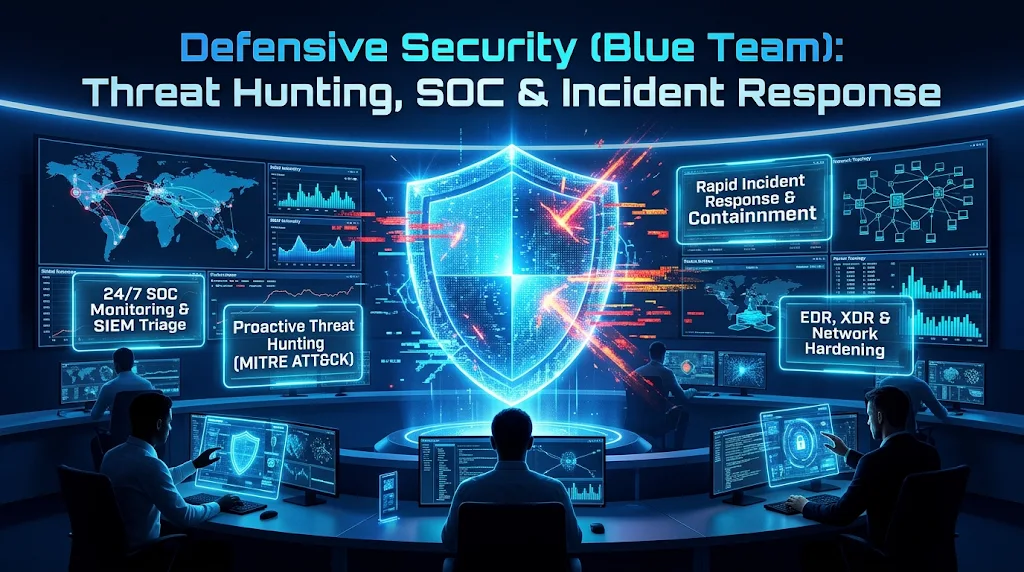
Common Job Roles:
- SOC Analyst (L1/L2)
- Incident Response Analyst
- Threat Hunter
- Security Monitoring Engineer
Daily Responsibilities: Monitoring SIEM tools such as Splunk, Microsoft Sentinel, and IBM QRadar, reviewing security alerts, analysing system logs, and reporting suspicious activities.
Suitable For: People who enjoy problem-solving, analysing information, and investigating technical issues.
B. Offensive Security (Red Team and Ethical Hacking)
Offensive security professionals identify weaknesses in websites, applications, networks, and other systems through authorised security assessments.

Common Job Roles:
- Junior VAPT Analyst
- Penetration Tester
- Ethical Hacker
- Security Researcher
Daily Responsibilities: Conducting authorised vulnerability assessments, reviewing application security, identifying misconfigurations, and preparing reports with recommended solutions.
Suitable For: Curious individuals interested in understanding software, identifying vulnerabilities, and learning how digital systems work.
Professionals also study the OWASP Top 10 to understand common web application security risks and vulnerabilities.
C. Cloud Security and DevSecOps
As companies move towards AWS, Microsoft Azure, and Google Cloud Platform (GCP), cloud security has become an important specialisation.
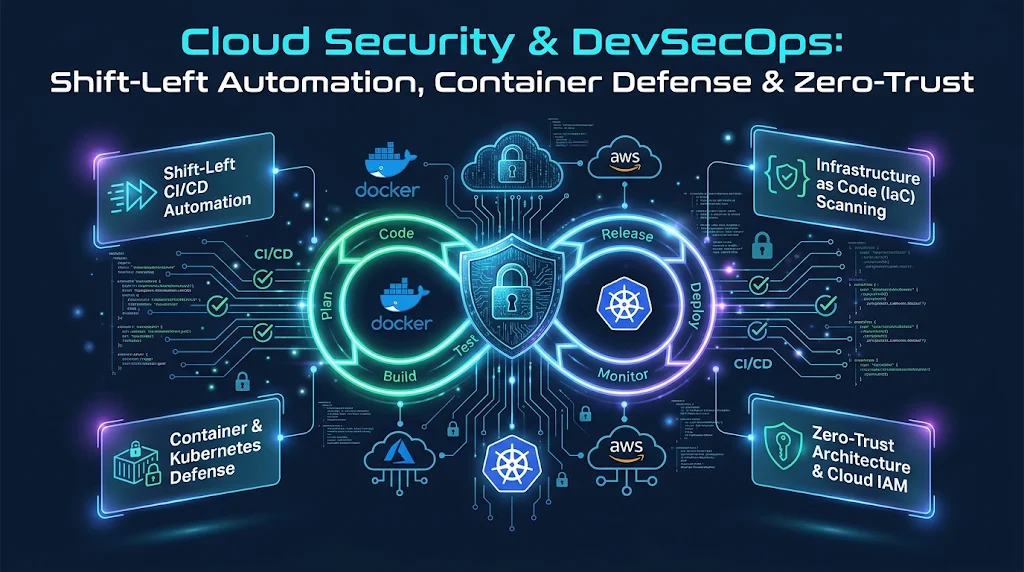
Common Job Roles:
- Cloud Security Engineer
- DevSecOps Specialist
- Cloud Security Analyst
- Cloud Identity Administrator
Daily Responsibilities: Managing cloud permissions, monitoring infrastructure, protecting stored data, and identifying security misconfigurations.
Suitable For: Candidates interested in cloud computing, networking, system administration, and DevOps.
D. Governance, Risk and Compliance (GRC)
GRC focuses on security policies, business risks, auditing, and regulatory requirements. Many roles in this field require little or no programming.
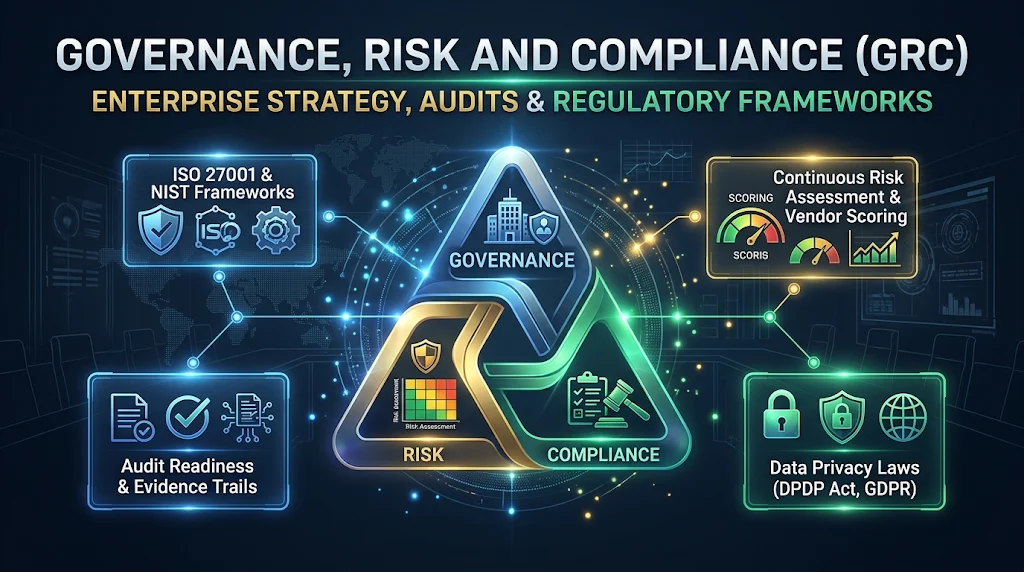
Common Job Roles:
- Cyber Risk Analyst
- Information Security Auditor
- Compliance Analyst
- Data Privacy Associate
Daily Responsibilities: Reviewing security policies, conducting audits, maintaining risk records, evaluating vendors, and checking compliance with ISO 27001 and NIST frameworks.
Suitable For: People interested in documentation, auditing, business processes, and regulatory requirements.
E. Identity and Access Management (IAM)
IAM ensures that employees have appropriate access to company applications, systems, and information.

Common Job Roles:
- IAM Analyst
- IAM Support Engineer
- Privileged Access Management Analyst
- SailPoint or CyberArk Support Engineer
Daily Responsibilities: Managing employee accounts, configuring multi-factor authentication (MFA), controlling permissions, and removing access when employees leave.
Suitable For: Candidates interested in user management, access controls, and enterprise security systems.
3. A 12-Month Cybersecurity Roadmap for Beginners
You do not need previous cybersecurity work experience to begin. However, following a structured learning plan can help you develop the required skills.
Phase 1: IT and Networking Fundamentals (Months 1–3)
Learn the fundamentals of computers, networks, and operating systems.
Important Topics:
- OSI model and TCP/IP
- IP addresses and subnetting
- DNS and DHCP
- Network routing and firewalls
- HTTP and HTTPS
- Linux commands and file permissions
- Windows administration and Active Directory
- Basic PowerShell
Tools to Learn: Wireshark, Nmap, and the Linux terminal.
Free Resources: Professor Messer’s Network+ lessons, Cisco Networking Academy, and OverTheWire: Bandit.
Phase 2: Security Fundamentals (Months 4–6)
After learning networking, move towards basic cybersecurity concepts.
Important Topics:
- CIA Triad: Confidentiality, Integrity, and Availability
- Authentication and authorisation
- Encryption and cryptography
- Multi-factor authentication
- Phishing and ransomware
- SQL injection and Cross-Site Scripting (XSS)
- Defence-in-depth security
Practical Learning Platforms:
- TryHackMe: Complete introductory cybersecurity learning paths.
- PortSwigger Web Security Academy: Master application security concepts and techniques.
- OverTheWire: Improve Linux and command-line skills.
You can also create a beginner home lab using VirtualBox and authorised practice environments.
Phase 3: Choose a Specialisation (Months 7–9)
Select a career direction and develop practical skills.
For Defensive Security:
- Learn SIEM platforms such as Splunk.
- Understand Windows Event Logs.
- Practise identifying suspicious login activities.
- Study the MITRE ATT&CK framework.
- Learn incident reporting.
For Offensive Security:
- Understand HTTP requests and responses.
- Learn Burp Suite Community Edition.
- Study the OWASP Top 10.
- Complete authorised beginner security challenges.
- Practise writing vulnerability reports.
Phase 4: Certifications and Job Applications (Months 10–12)
Focus on demonstrating your knowledge and preparing for employment.
- Earn a relevant beginner certification.
- Upload learning projects and reports to GitHub.
- Prepare a cybersecurity-focused resume.
- Create or update your LinkedIn profile.
- Apply for SOC Analyst L1, Junior VAPT Analyst, and IAM Support positions.
Explore opportunities in Bengaluru, Hyderabad, Pune, Gurugram, Chennai, and Mumbai.
4. Cybersecurity Salary in India
Cybersecurity salaries depend on experience, technical skills, certifications, location, and employer.
- IT Services Companies: TCS, Infosys, Wipro, Cognizant, and HCL offer entry-level opportunities, often around ₹3.6–5 LPA.
- Big Four Firms: Deloitte, PwC, EY, and KPMG offer opportunities in security consulting and auditing, with selected fresher packages around ₹6–9 LPA.
- Global Capability Centres: International companies such as JPMorgan, Barclays, and Wells Fargo may offer ₹7–13 LPA for selected entry-level positions.
- Product Companies and Startups: Candidates with strong technical and security skills may receive packages of ₹10 LPA or more.
Cybersecurity Salary Comparison in India
| Job Role | Experience | Salary Range |
|---|---|---|
| Cybersecurity Trainee | 0–1 Year | ₹2.4–4 LPA |
| SOC Analyst L1 | 0–2 Years | ₹3.5–6.5 LPA |
| Junior VAPT Analyst | 0–2 Years | ₹4–7.5 LPA |
| SOC Analyst L2 | 2–5 Years | ₹7–14 LPA |
| Penetration Tester | 2–5 Years | ₹8–16 LPA |
| Cloud Security Engineer | 3–6 Years | ₹11–20 LPA |
| GRC / Security Lead | 4–8 Years | ₹12–22 LPA |
| Security Architect | 8–12 Years | ₹22–38 LPA |
| CISO | 12+ Years | ₹40–80+ LPA |
Note: These are indicative salary estimates for the Indian market based on 2025–2026 figures. Actual packages vary by company, location, and candidate qualifications.
5. Best Cybersecurity Certifications for Indian Job Seekers
Certifications can demonstrate your knowledge and strengthen your job applications. Beginners should focus on foundational qualifications before investing in expensive advanced certifications.
Beginner-Level Certifications
1. CompTIA Security+
Covers security fundamentals, vulnerabilities, threats, risk management, and security controls.
- Approximate cost: ₹33,000–₹35,000 plus taxes.
- Suitable for: Beginners and SOC Analyst candidates.
2. Cisco CCNA
Focuses on networking, routers, switches, IP services, and network fundamentals.
- Approximate cost: ₹25,000 plus taxes.
- Suitable for: Beginners interested in network security.
3. Certified Ethical Hacker (CEH)
Introduces ethical hacking, vulnerability identification, and common security assessment techniques.
- Approximate cost: ₹35,000–₹50,000, depending on the package.
- Suitable for: Ethical hacking beginners.
Intermediate Certifications
4. eLearnSecurity Junior Penetration Tester (eJPT)
A practical certification covering foundational penetration testing skills.
- Approximate cost: ₹21,000.
- Suitable for: Junior penetration testing candidates.
5. CompTIA CySA+
Concentrates on threat identification, log examination, security surveillance, and incident management.
- Approximate cost: ₹33,000–₹35,000.
- Suitable for: SOC analysts developing defensive security skills.
6. AWS Security Specialty / Microsoft AZ-500
Covers cloud security, encryption, access management, and infrastructure protection.
- Approximate cost: ₹14,000–₹25,000, depending on the exam.
- Suitable for: Cloud security professionals.
Advanced Certifications
7. OSCP: An advanced practical penetration testing certification, with costs starting around ₹1.35 lakh or more, depending on the package.
8. CISSP: A professional certification covering enterprise security, risk management, and security architecture. It generally requires five years of relevant professional experience across the required domains.
6. Is a Cybersecurity Career Possible Without Coding Experience?
Yes. Programming is not compulsory for every cybersecurity position. The requirement depends on your chosen specialisation.
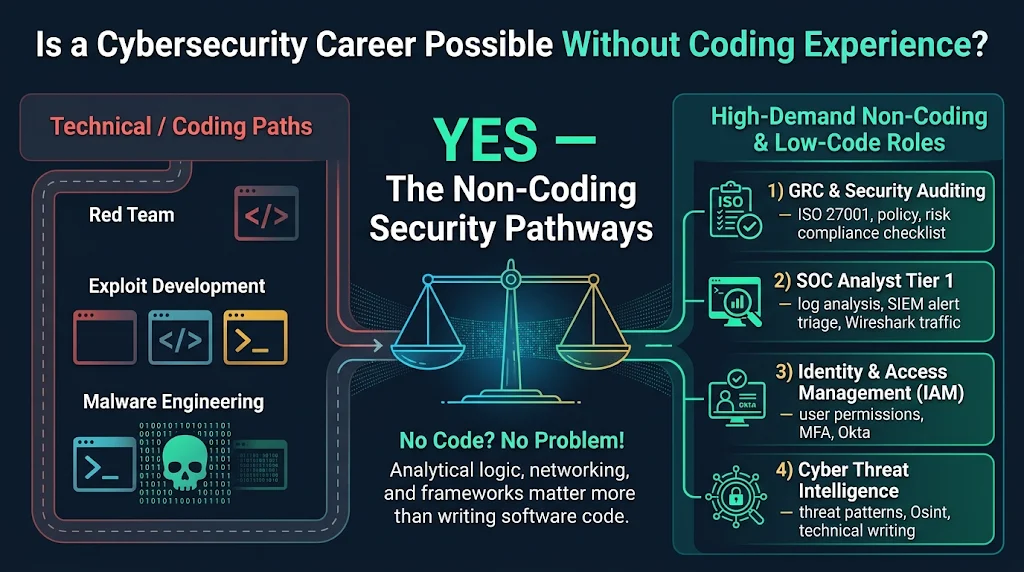
Roles That Generally Require Limited Coding:
- GRC Analyst: Reviews security policies and compliance requirements.
- IAM Analyst: Manages user accounts and access permissions.
- SOC Analyst L1: Monitors security alerts and investigates suspicious activities.
- Information Security Auditor: Reviews security controls and documentation.
However, learning basic Python or Bash scripting can help you automate repetitive tasks, analyse logs, and improve your technical abilities.
Mastering coding is not a mandatory prerequisite to starting a career in cybersecurity. Start with networking, operating systems, and security fundamentals.
7. How to Build a Cybersecurity Portfolio Without Experience
Freshers struggle to prove practical skills without prior work experience. A personal portfolio can help showcase your learning.
Build a Home Lab: Use VirtualBox to create Linux and Windows virtual machines. Practise system administration, user management, and security monitoring.
Create a GitHub Portfolio: Upload educational scripts, lab documentation, and security reports. Explain what you learned and how you approached each project.
Complete Practical Challenges: Use TryHackMe, Hack The Box, and PortSwigger Web Security Academy to develop practical knowledge.
Explore Responsible Bug Bounty Programmes: Once you understand application security, explore authorised programmes on HackerOne and Bugcrowd. Always follow the programme’s testing rules and permitted scope.
8. Common Mistakes Beginners Should Avoid
1. Paying Too Much for Placement Courses: Be careful with institutes promising guaranteed jobs in exchange for expensive training fees. Check their curriculum and practical training before enrolling.
2. Learning Tools Without Fundamentals: Understand networking, operating systems, and security concepts before focusing on advanced tools.
3. Ignoring Communication Skills: Cybersecurity professionals must explain technical problems, prepare reports, and communicate security recommendations.
4. Using a Generic Resume: Highlight relevant skills such as Linux, TCP/IP, SIEM, Wireshark, Active Directory, and incident response.
9. Your First Steps Towards a Cybersecurity Career
If you are starting from zero, follow these steps:
- Learn networking fundamentals, including TCP/IP, DNS, and IP addressing.
- Install Linux and practise basic terminal commands.
- Complete introductory cybersecurity lessons on TryHackMe.
- Understand common cyber threats and security controls.
- Choose a specialisation such as SOC operations, ethical hacking, cloud security, or GRC.
- Construct hands-on projects and publish the documentation on GitHub.
- Prepare your resume and apply for internships and entry-level positions.
You can also join Indian cybersecurity communities such as null, OWASP India, and BSides to learn from experienced professionals.
Frequently Asked Questions (FAQs)
1. Is cybersecurity a good career option in India?
Yes. Cybersecurity offers promising opportunities because of cloud adoption, digital transactions, data protection requirements, and growing GCC operations. Professionals can work in security operations, ethical hacking, cloud security, and risk management.
2. Is it possible for fresh graduates to secure entry-level cybersecurity positions in India?
Yes. Freshers can apply for SOC Analyst L1, Junior VAPT Analyst, Information Security Associate, and IAM Support positions. Engaging in hands-on projects, obtaining relevant certifications, and building deep technical expertise can significantly boost your employability.
3. Which degree is required for a cybersecurity career in India?
Computer Science, IT, Electronics, BCA, and BSc IT degrees provide useful foundations. However, candidates from other educational backgrounds can also enter the field by developing relevant technical skills.
4. What is the starting salary for a cybersecurity fresher in India?
Freshers generally earn around ₹3.5–6.5 LPA in many entry-level positions. Selected positions in GCCs, consulting firms, and product companies may offer higher packages.
5. Can I start a cybersecurity career without coding?
Yes. GRC, security auditing, IAM, and entry-level SOC positions generally require limited programming. Learning basic Python or Bash later can help with career growth.
Conclusion
Cybersecurity is a promising career option in India for students, fresh graduates, and IT professionals interested in protecting digital systems.
However, getting a job requires more than completing online courses or collecting certificates. Start with networking, Linux, operating systems, and security fundamentals. Then choose a specialisation, practise in authorised learning environments, and build a portfolio that demonstrates your abilities.
With consistent learning, practical experience, and a clear career direction, you can gradually move from a beginner to a professional cybersecurity role.
Read This Also:
Best Skills to Learn for Future Careers: Top 5 In-Demand Courses